Interior

MAINTENANCE AS DEVOTION

Early February on the North Shore carries a different kind of quiet. January’s work has settled. The house is no longer asking to be cleared or restructured. It is asking to be maintained.

...the goal is not acceleration; it is balance......
 

Maintenance as Devotion:

The light is still winter-thin, but it lingers longer each day. With the season now turning toward Aquarius, attention shifts from weight and structure toward air, circulation, and systems. This is a week for observing how things function together. For noticing where flow has stalled, and where it can be restored without force.

Inside, care becomes less about intention and more about response.

The Plant That Has Grown With Us:

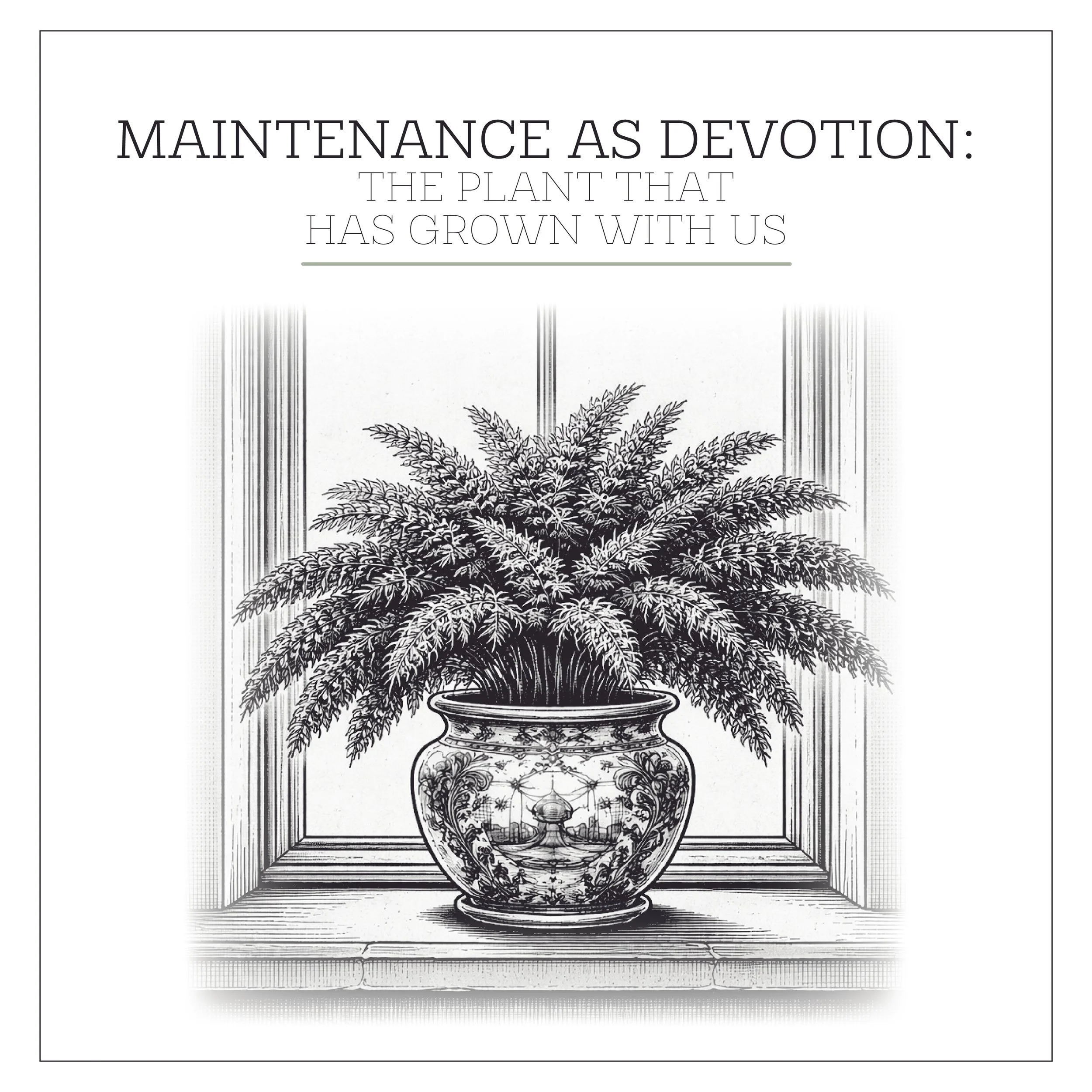
One afternoon this week, our attention returned to a foxtail fern we have had for many years.

We bought it before our wedding, and it has lived alongside us through homes, seasons, and long stretches of ordinary life. Each summer, it goes outside. Each fall, it comes back in. Over time, it has become part of the house’s internal ecology. Familiar. Steady. Rarely demanding.

This winter, when it returned indoors, something was clearly off. The fronds began to yellow. The soil stayed damp far longer than usual. The plant was holding too much water and not moving through it.

Nothing about it suggested failure, but the signals were unmistakable. The system was congested.

We paused. We observed. And instead of rushing toward a single dramatic fix, we addressed the conditions.

We gently aerated the soil, poking small openings to allow air to circulate and moisture to release. We supplemented its light with a discreet LED, positioned just close enough to encourage photosynthesis without forcing growth.

The goal was not acceleration. It was balance.

The response came quickly. New growth emerged. Upright, dense, assured. As the plant regained its ability to process light and water together, it corrected itself.

Care as System Thinking:

Aquarian energy favors this kind of attention. It asks us to look at relationships rather than symptoms. To consider circulation before replacement. To understand how light, air, water, and time work together.

The fern did not need to be remade. It needed its system clarified.

Maintenance, in this sense, is not minimalism or restraint for its own sake. It is informed care. Action that arises from understanding rather than urgency.

This kind of devotion is quiet. It does not announce itself. It restores function and then steps out of the way.

The Epok Exercise:

This week, turn your attention to something in your home that feels slightly out of balance.

Not broken. Not failing. Just congested.

  • Before changing anything, pause long enough to identify what signals it is giving you. Look for yellowing, heaviness, stagnation, or fatigue.

  • Ask what part of the system might need support. More light. More air. More space. Less interference.

  • Make one small, considered adjustment. Then allow the system to respond.

Maintenance is not hesitation.

It is attention applied with clarity.
THE FULL MOON ARCHIVE

By the final week of January, the North Shore begins to feel exposed again. The month’s work has settled. The quiet decisions have been made. Outside, the cold is still present, but the light behaves differently now. It lingers. It reflects.

...the home is not a museum; it is a living structure.....
 

LEAVING THINGS UNFINISHED:

This week unfolds under a Full Moon in Leo, a moment that naturally draws attention outward. After weeks of restraint, of listening and refining, the emphasis shifts toward visibility. Not performance, but acknowledgment. What is here now wants to be seen.

Under this light, the home becomes a mirror. Not of completion, but of process. What appears is not a finished vision or a resolved whole. It is a draft. And there is something steady and generous about allowing that draft to exist without apology.

We are learning to release the pressure to resolve everything at once. To resist refining edges before the form has fully declared itself. Progress, we are reminded, does not always look complete. Incompleteness is not a failure of intention. It is often evidence of care.

The Parlor Wall:

Our attention keeps returning to the Parlor.

In earlier weeks, we spoke about opening the Grand Room into this space and trusting what might follow. Now, with the structure settled, the Parlor has become a quieter study. A place to observe rather than act.

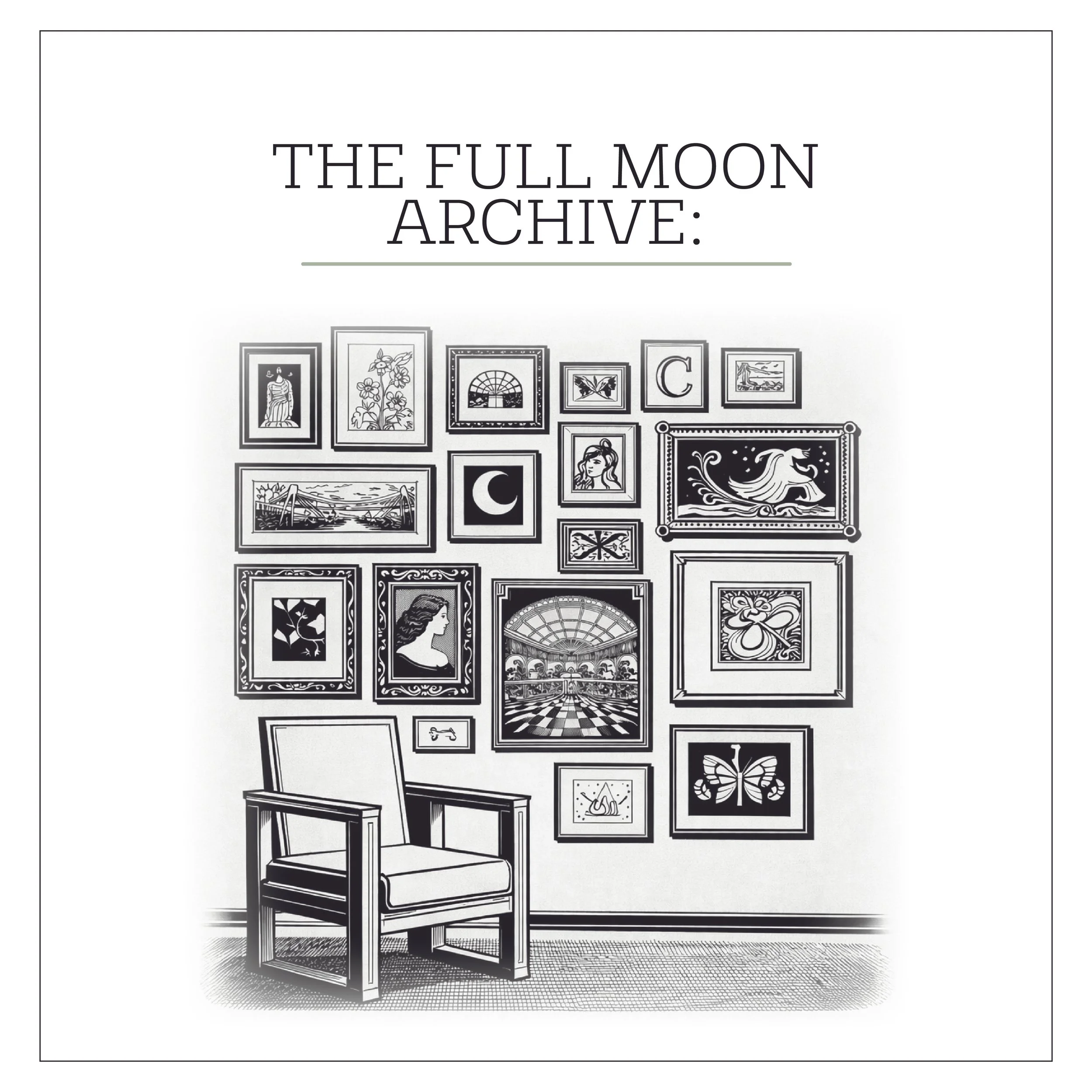
There is one wall in particular. Wide. Clear. Intentionally empty.

The instinct is familiar. To fill it. To hang, arrange, define. But instead, we are choosing to leave it untouched. Not as a placeholder, but as a decision. The wall is doing work in its current state. It gives the eye somewhere to rest. It gives the room breath. It reminds us that not every surface needs to speak at once.

Waiting, we are discovering, is part of the design. When something eventually belongs there, it will arrive with certainty. Not because silence made us uneasy, but because the moment asked for it.

Allowing the Draft:

The Full Moon has a way of making things visible. This week, what it reveals is not a finished composition, but a process in motion. A room mid-thought. A home still deciding who it is becoming.

There is strength in that. A confidence that does not rush itself.

The Epok Exercise:

As January gives way to February, take a quiet inventory of your own space:

  • Choose one honest corner of your home, a place still in progress where patience has replaced urgency. Notice it as it is.

  • Consider one change you have made this month that feels indelible. Something structural, emotional, or symbolic that will not be undone.

  • Spend time with what remains unfinished. Ask whether the current draft of your space reflects who you are becoming, or whether it is still crowded with remnants of who you no longer are.

The home is not a museum. It is a living structure. A place for testing, rest, revision, and return.

Let the light reveal what is already here. Sometimes the most powerful design choice is knowing when not to add another mark.

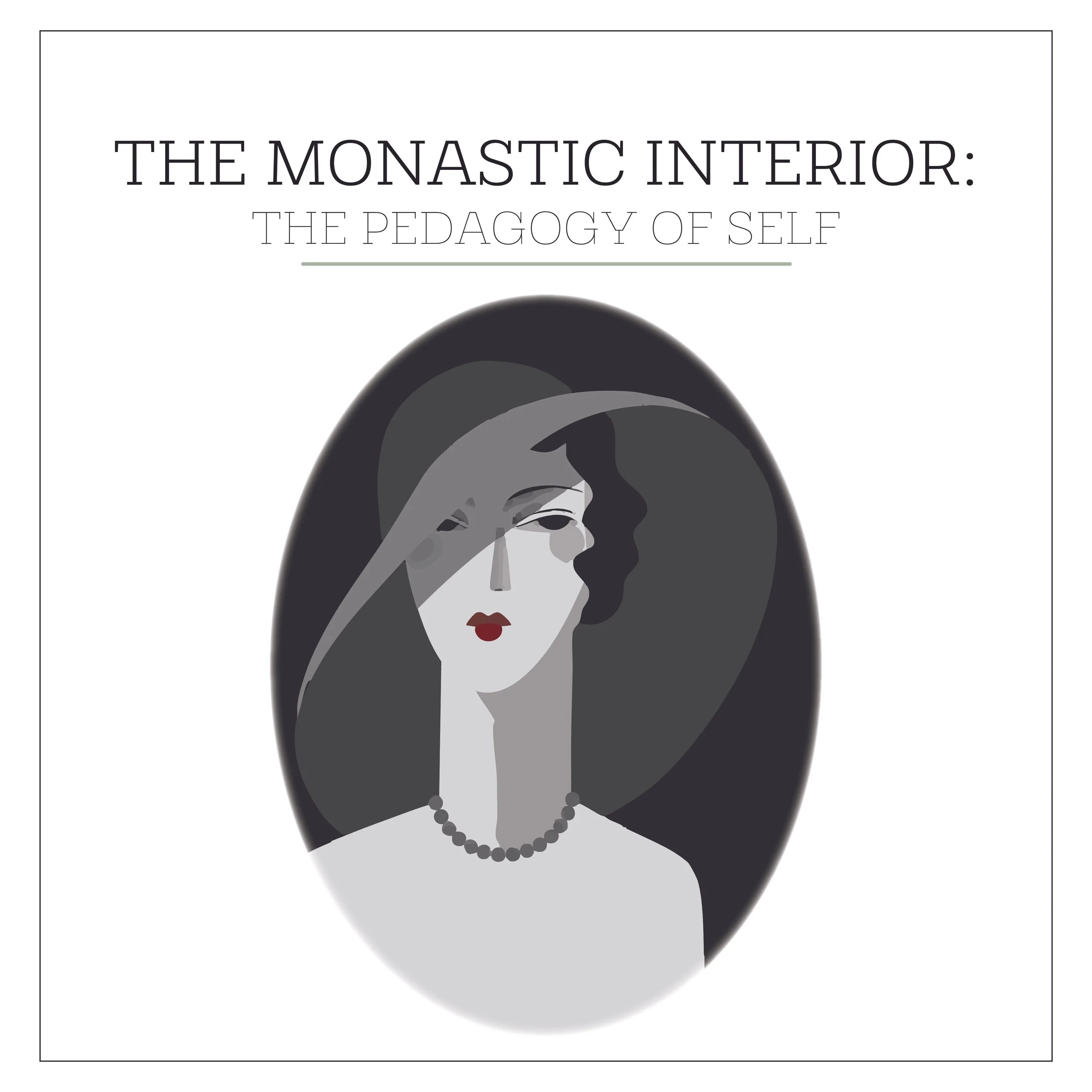
THE MONASTIC INTERIOR

By the third week of January, winter settles into its most lucid form. On the North Shore, the days are cold but bright. The light feels deliberate. After the physical decisions of earlier in the month, the house enters a quieter phase. Less about action, more about attention.

As the sun moves into Aquarius, the energy of the season shifts. What was heavy and earthbound begins to lift. This is a week for distance and clarity, for observing what we have already put in place. The work now is not structural in the obvious sense, but mental. How a room supports thought. How silence shapes focus.

This is where restraint becomes a design choice.

...a single artifact can command attention simply through its simplicity....
 

Designing for the Mind:

After opening walls and redefining flow, we found ourselves asking a different question: what does this space allow us to think about?

A room can be generous and still be noisy. It can be open and still feel crowded. The monastic interior is not about austerity for its own sake. It is about selecting very carefully what earns a place in the field of vision.

This week, our attention settled on one corner of the Grand Room. With the furniture resolved and the circulation clear, the emptiness there began to feel intentional. It did not need filling. It needed a point of focus.

The Single Artifact:

We introduced one object: an ivory, high-gloss ceramic lamp by Haeger. Its base carries a serene, classical female face, quiet and grounded. The form is figurative but restrained, more presence than statement.

What transforms the piece is the shade. Made of distressed, undulating metal, punctured with small openings, it filters the light rather than directing it. When lit, the lamp casts a soft, wavering pattern across the wall. The corner becomes animated without becoming busy.

Nothing else was added.

The effect is subtle but complete. That single artifact gives the mind somewhere to rest. The light moves. The room breathes. Thought slows down.

This is the power of the monastic approach. One deliberate choice can do more than a dozen decorative gestures. It creates mental space not by subtraction alone, but by precision.

Living With Fewer Signals:

Aquarian energy favors distance and perspective. This is the part of winter where we step back just enough to see what we have built. The monastic interior supports that shift. It does not demand attention. It invites it.

We are not designing for display right now. We are designing for clarity. For rooms that help us think cleanly and feel unburdened by older versions of ourselves.

The Epok Exercise:

This week, look for one place in your home that feels visually unresolved, not because it needs more, but because it needs one clear choice:

  • Notice where your attention goes when you enter a room.
    Notice where it scatters.

  • You do not need to remove everything. You do not need to add anything immediately.

  • Simply consider whether there is one corner, one surface, or one object that could anchor the space and give your mind somewhere to rest.

The monastic interior is not about retreat. It is about making room to see.