
There is a particular frequency that settles over the North Shore in the first week of January. Outside, the Atlantic wind works its way through the original window sashes of this former finishing school, rattling the building back into awareness. Inside, a quieter kind of finishing begins.
For the last month, our home has been performing. Evergreen boughs, candlelight, ornament, excess. A generous, intentional riot. This week, the performance ended. We began the work of removal. Not tidying, exactly. More like letting the image dissolve.
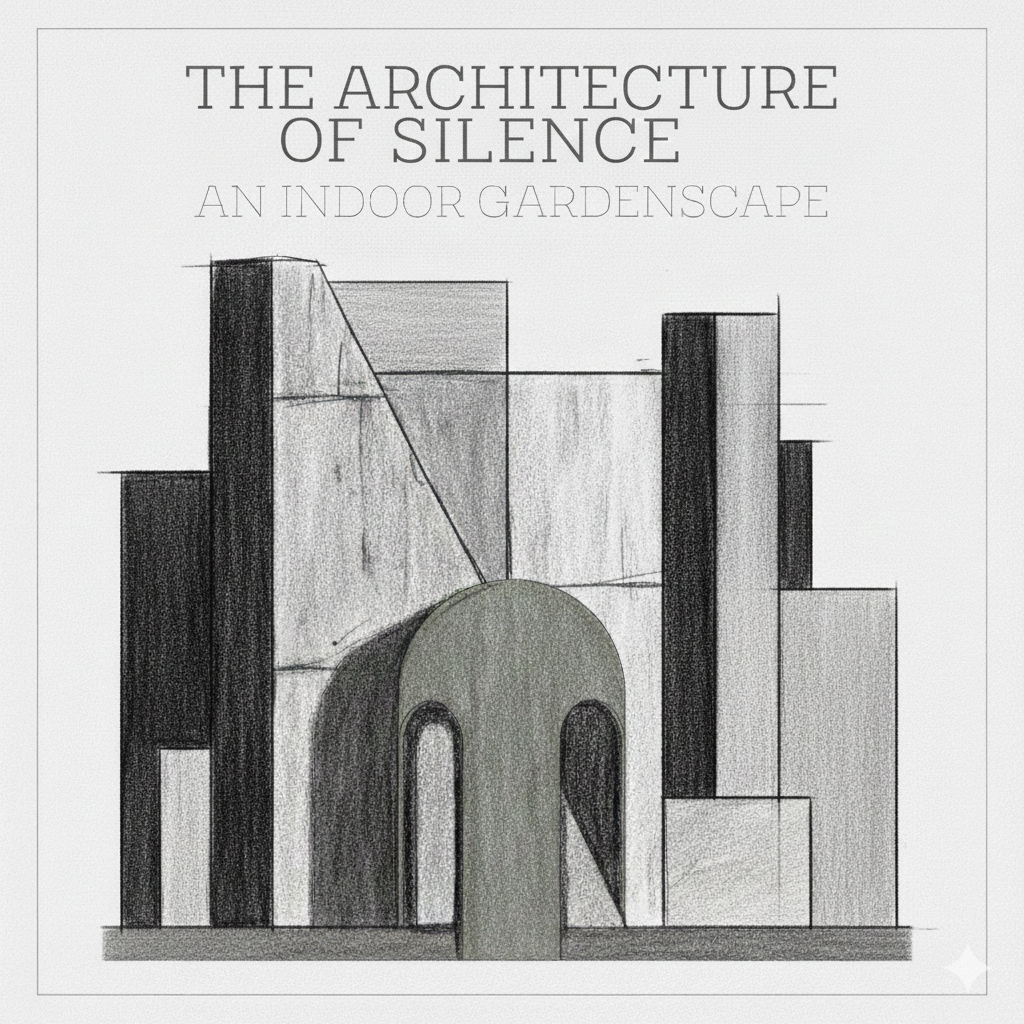
As the Super Wolf Moon in Cancer reached its peak and began to wane, the house seemed to exhale. Without the visual noise of the holidays, the rooms returned to their original posture. What emerged was not emptiness, but structure. The kind of quiet that feels architectural.
“...learn to inhabit the silence before you attempt to inhabit the design...”
What Remains When Nothing Is Added:
January has a way of showing us what holds. It is a month that favors bones over ornament, weight over display. When the garlands came down, the rooms did not feel diminished. They felt revealed.
Living in the original Salem State building carries a certain pressure. The ceilings are high. The proportions disciplined. The architecture does not ask to be justified through decoration. In fact, it resists it. When the holiday layers fall away, the house finally speaks in its own voice.
This kind of silence is not empty. It is clarifying. It shows us where the weight actually rests. It asks us to notice what remains steady even when everything else is removed. Before we add anything new, the space seems to suggest, it helps to understand what is already doing the work.
Zach and I marked this shift by beginning a shared household Book of Shadows. Not as performance or ritual theater, but as record. A place to notice what reveals itself when the noise is gone. A way of documenting the structures, emotional and architectural, that quietly shape our days whether we name them or not.
The Interior Plot:
Silence, however, is not stasis.
As we stripped the house back, one thing became immediately clear. One of our indoor garden areas, just one among many throughout the house, was asking for attention. Without the distraction of seasonal decoration, its imbalance was suddenly visible.
This was not about adding something new, but about re-working what was already there.
Set atop the barrister bookcases that now hold our glassware, this particular garden occupies a threshold between structure and life. Wood and glass below, living material above. In its revised form, it reads almost classically. A living crown resting on disciplined architecture.
Here, something softer is allowed to stir.
The snake plant and sword fern hold their vertical line, protective and steady. The moth orchid and anthurium offer intricacy and pause. The rabbit’s foot fern and spider plant bring a tactile sense of lineage. The pothos vine and prayer plant move differently altogether, folding inward at night, responding to light and dark with quiet devotion.
This garden does not interrupt the silence of January. It responds to it. It lives inside it.
The Epok Exercise:
As you strip your own space in these first days of the year, consider resisting the urge to refill what you remove:
Spend time in one room after it has been cleared.
Notice what asks for attention once the excess is gone.
Pay attention to any corner of your home that feels quietly alive, the place where something is forming without asking to be seen yet.
Before design, before intention, before improvement, there is listening.
This is where the year begins.